
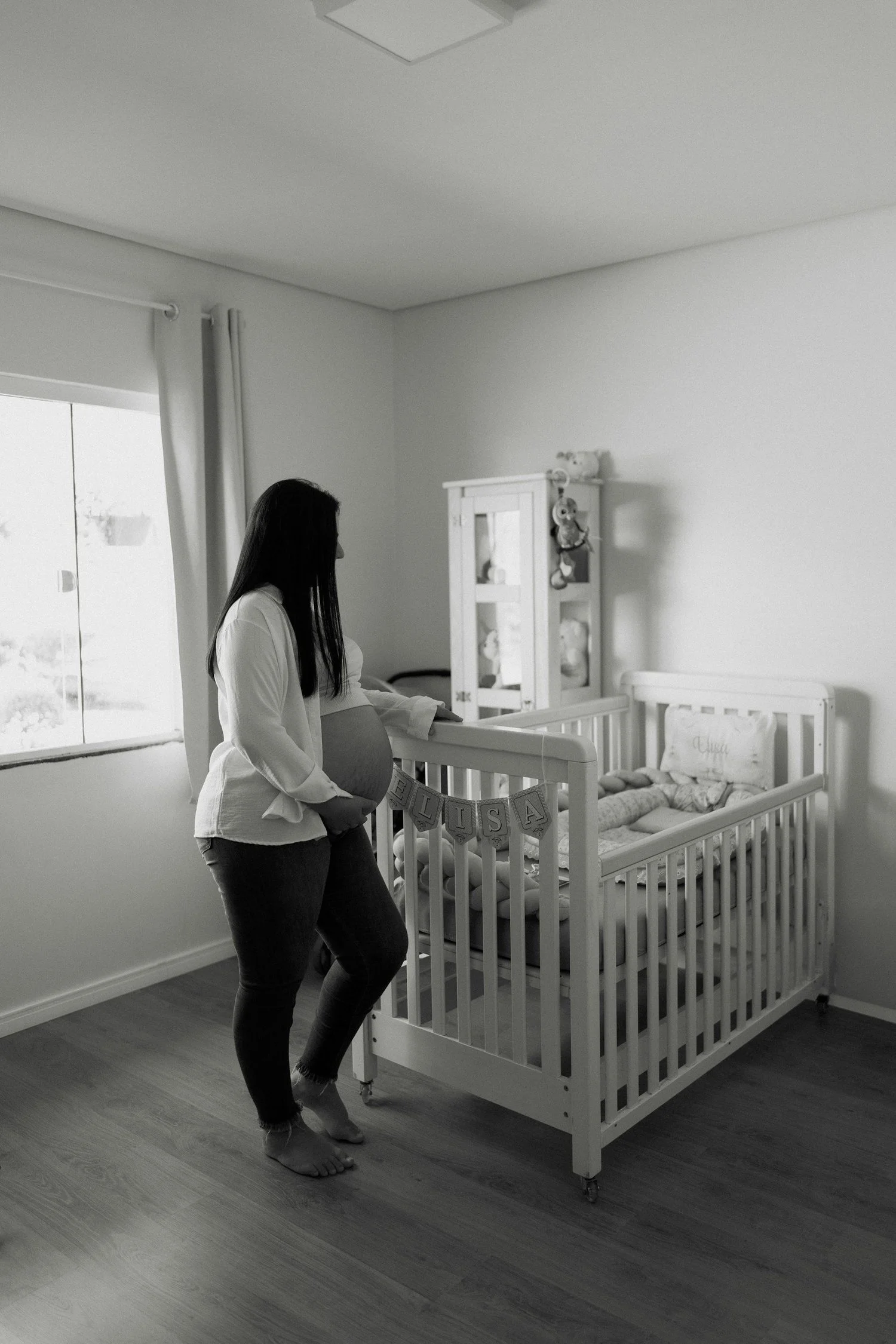
Photo by Alexander Mass on Unsplash
Pregnancy and the transition into parenthood can be filled with excitement, love, and anticipation. However, they can also bring unexpected emotional challenges. While much of the attention during this time focuses on the physical health of the baby and birthing parent, emotional and mental well-being are just as important.
Perinatal mental health refers to emotional and psychological well-being during pregnancy and the postpartum period. During this time, individuals may experience anxiety, depression, overwhelming stress, changes in identity, or difficulty adjusting to new roles and responsibilities.
For some, these feelings may be unexpected, especially when there is pressure to feel happy or grateful during what is often described as a joyful time. It's important to remember that you can love your baby and still struggle emotionally. These experiences do not define your ability to be a good parent.
Recognizing When You May Need Support
While emotional ups and downs are common during pregnancy and postpartum, some signs that additional support may be helpful include:
Persistent feelings of sadness, worry, or irritability
Feeling overwhelmed or emotionally disconnected
Difficulty adjusting to changes in identity or relationships
Feelings of guilt, inadequacy, or self-doubt
Intrusive thoughts or excessive worry about your baby's well-being
Difficulty finding joy in activities you previously enjoyed
Postpartum: A Time for Receiving
The postpartum period is often centered on caring for a new baby, but it's also a time when parents deserve care. So much emphasis is placed on giving our time, energy, love, and attention to others that we sometimes forget the importance of receiving care ourselves.
The postpartum period is not just a season of giving; it's also a season of receiving. Receiving support, compassion, rest, understanding, and love.
Allowing yourself to receive help does not make you any less capable as a parent. It reminds us that we were never meant to navigate parenthood alone. Whether it's accepting help from loved ones, making time for rest, or seeking emotional support, your needs and well-being matter, too.
You Don't Have to Wait Until You're Struggling
Therapy during pregnancy and postpartum isn't just for those experiencing depression or anxiety. It can also provide a supportive space to explore changing identities, navigate relationships, establish boundaries, and adjust to the emotional demands of parenthood. Partners and non-birthing parents may also experience emotional challenges during this transition and deserve support. Taking care of your mental health is an important part of caring for yourself and your family. Whether you're preparing to welcome baby, adjusting to life postpartum, or navigating the many changes that come with parenthood, you don't have to do it alone.
Seeking support isn't a sign of weakness. It's an opportunity to better understand yourself, strengthen your coping skills, and feel more supported through this new chapter of life.
Remember, you deserve to be cared for, too.
Resources if you are in crisis now:
Illinois MOMS Line (24/7):
Call 866-364-MOMS (866-364-6667)
National Maternal Mental Health Hotline (24/7):
Call or text 1-833-TLC-MAMA (1-833-852-6262)
988 Suicide & Crisis Lifeline:
Call or text 988
Crisis Text Line:
Text HOME to 741741
211 Metro Chicago:
Call 211 or visit 211metrochicago.org
Postpartum Support International HelpLine (not a crisis line):
Call 1-800-944-4773 or text “Help” to 800-944-4773 (Spanish: text 971-203-7773)
Recommended reading: Good Moms Have Scary Thoughts by Karen Kleiman

Sources:
Postpartum Support International. https://www.postpartum.net/
Endeavor Health. https://www.endeavorhealth.org/services/womens-health/support-resources
Illinois Department of Healthcare and Family Services. https://hfs.illinois.gov/medicalclients/maternalandchildhealth/hotlines.html